FOSHAN SHUNDE MEZEME ELECTRICAL MANUFACTURING Co., LTD.


What are the precautions for wall switch installation?
Release time:
2020-05-16
Wall switch refers to the switch socket installed on the wall, usually used to control the lighting or electrical equipment on and off. So we know what are the precautions for wall switch installation?
Wall switch refers to the switch socket installed on the wall, usually used to control the lighting or electrical equipment on and off. So we know what are the precautions for wall switch installation?
Precautions for wall switch installation:
1. When installing the wall switch, it cannot be installed on the combustible body. In case the combustible body burns, the jacket of the wall switch may burn out, resulting in the exposure of the wire core and the entry of water vapor, which will cause a short circuit and even cause a fire.
2. The wall switch should be installed with arc suppression device, so that the installation can avoid the danger of fire or explosion due to the leakage of combustible gas.
3. Wall switch installation is also divided into open and concealed installation. Generally speaking, open installation should not be less than 1.8m. If concealed installation should not be less than 0.3m, the sockets in the kitchen and bathroom should be 1.5m higher than the ground, and the socket for air conditioning should be higher than 2m.
4. The principle to be followed when wiring the wall switch is "live wire into the switch, zero wire into the lamp cap", and remember to install leakage protection devices.
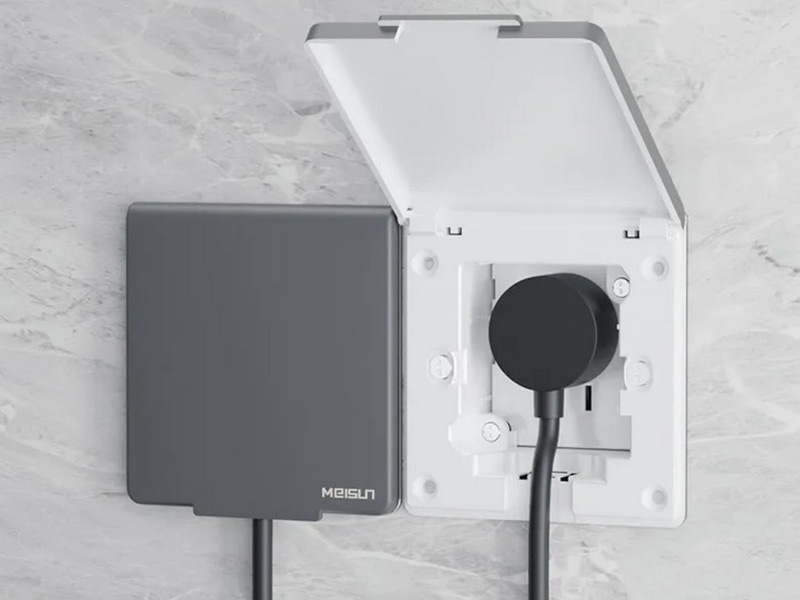
5, wall wall switch is good to install a protective box or baffle, so as to avoid water or oil seepage, resulting in short circuit or leakage. In particular, some children with families, in order to prevent the children from reaching out to touch when playing and encounter the danger of electric shock.
6. The wire head in the socket is broken. It should be replaced. It is better to replace it with bare wire head. Otherwise, it is also easier to cause fire.
7. The wall switch in the kitchen cannot be installed above the stove, mainly because the temperature here is high, which will also cause the socket to overheat and be damaged.
Contact Us
Address:NO. 1 HUISHANG FOUR ROAD , JIANGCUN VILLAGE, LELIU, SHUNDE DISTRICT, FOSHAN CITY, GUANGDONG, CHINA
E-mail:gdmeizhimei@163.com
Copyright©2024 All Rights Reserve FOSHAN SHUNDE MEISUN ELECTRICAL Co., LTD.
