FOSHAN SHUNDE MEZEME ELECTRICAL MANUFACTURING Co., LTD.


Advantages of electrical connectors include
Release time:
2020-05-16
An electrical connector is a device used to connect, disconnect, or transmit electrical signals and energy. It can provide reliable electrical connections, and usually has functions such as waterproof, dustproof and anti-interference. Electrical connectors are widely used in various electronic equipment, communication equipment, automotive, aerospace, industrial automation and household appliances and other fields, for connecting circuit boards, cables and electronic devices between the electrical signal transmission. There are many types and specifications of electrical connectors according to different usage scenarios and requirements, such as plug connectors, terminal connectors, circular connectors, in-line connectors, etc.
definition of electrical connector:
An electrical connector is a device used to connect, disconnect, or transmit electrical signals and energy. It can provide reliable electrical connections, and usually has functions such as waterproof, dustproof and anti-interference. Electrical connectors are widely used in various electronic equipment, communication equipment, automotive, aerospace, industrial automation and household appliances and other fields, for connecting circuit boards, cables and electronic devices between the electrical signal transmission. There are many types and specifications of electrical connectors according to different usage scenarios and requirements, such as plug connectors, terminal connectors, circular connectors, in-line connectors, etc.
Advantages of electrical connectors include:
Reliable connection: Electrical connectors provide reliable electrical connections by designing precise plugs and sockets to avoid electrical failures caused by looseness or poor contact.
Convenient installation and maintenance: The electrical connector is simple in design and easy to install and use. It can be easily maintained and replaced when needed.
Flexibility: Electrical connectors offer options in different sizes, shapes, and specifications to meet a variety of application needs, and can support different numbers and types of wires and signal lines.
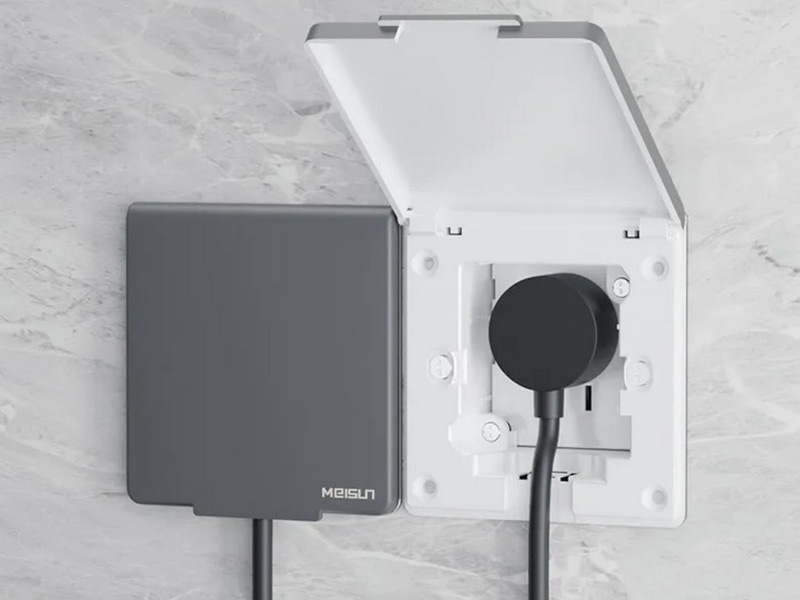
Waterproof and dustproof performance: Some electrical connectors have waterproof and dustproof functions, suitable for outdoor, humid or harsh environment use.
Space saving: Compared with traditional wiring methods, electrical connectors can save space and maintain clean wiring.
Easy to plug and unplug: The electrical connector can be repeatedly plugged and unplugged, which is convenient for the movement and replacement of the device, and is conducive to maintenance and inspection.
In general, the electrical connector has obvious advantages in achieving reliable electrical connection, simplifying wiring, and facilitating maintenance.
Electrical connectors can be widely used in various fields and industries, including the following areas of application:
Automotive industry: used for electrical circuit connection, sensor connection, lamp connection, etc. in automobiles.
Electronic equipment: used for internal connection or external interface connection of electronic equipment such as computers, mobile phones, cameras, speakers, etc.
Household appliances: such as washing machines, refrigerators, microwave ovens and other household appliances internal wiring connection.
Industrial control: used to connect sensors, actuators, PLC, etc. in industrial automation equipment, mechanical equipment and industrial control systems.
Energy field: used to connect electrical lines in power plants, transmission lines, substations and other energy equipment.
Aerospace: Used to connect various circuits in aircraft, rockets, satellites and other aerospace equipment.
Military field: military equipment, communications equipment, weapons systems and other areas that require reliable electrical connections.
Generally speaking, electrical connectors are widely used in many fields, such as industry, transportation, communication, medical treatment, military and so on.
Contact Us
Address:NO. 1 HUISHANG FOUR ROAD , JIANGCUN VILLAGE, LELIU, SHUNDE DISTRICT, FOSHAN CITY, GUANGDONG, CHINA
E-mail:gdmeizhimei@163.com
Copyright©2024 All Rights Reserve FOSHAN SHUNDE MEISUN ELECTRICAL Co., LTD.
